Blooming Creativity: A Deep Dive into the 3D Flower Font
When you are tasked with capturing attention in a crowded digital or print space, standard typography often falls flat. Enter the 3D Flower Font, a typeface that doesn't just sit on the page but jumps out of it. This isn't your average script or handwritten font; it is a vibrant, sculptural display font designed to inject life and dimension into your work. For designers, crafters, and entrepreneurs looking to break away from the mundane, this font offers a unique blend of playful energy and sophisticated depth. It transforms simple letters into blooming arrangements, making it a standout choice for projects that demand a creative edge.
Visual Characteristics and Style
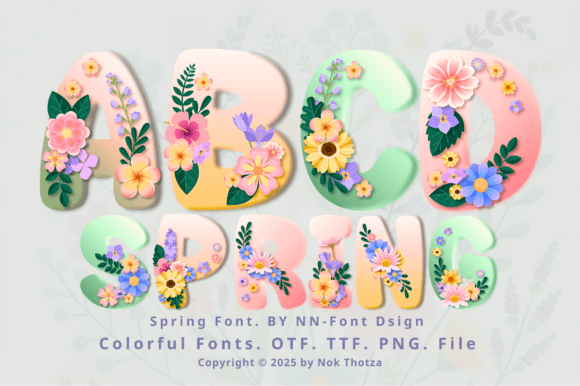
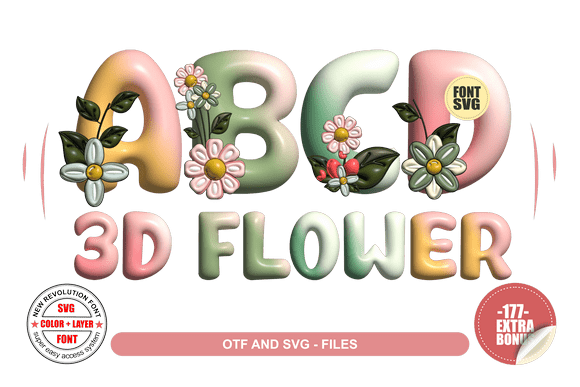
The defining trait of the 3D Flower Font is its construction. Unlike traditional flat typefaces, this is a premium font built using OpenType-SVG technology. This allows for high-definition color and texture to be embedded directly into the vector outlines. Visually, the characters appear as if they are crafted from floral elements with a distinct 3D perspective. The shadows and highlights are baked into the font file itself, giving each letter a tangible, almost touchable quality.
The personality of this typeface is undeniably cheerful. It avoids the stiffness of a standard serif font or the neutrality of a sans serif font. Instead, it embraces the organic curves of nature. The style is bold and decorative, making it a specialized display font rather than a body text solution. It captures a modern typography aesthetic that values novelty and visual impact over minimalism. If your brand identity leans toward the whimsical, the artistic, or the celebratory, this font aligns perfectly with that vibe.
Practical Applications: Where Does It Shine?
Understanding where to deploy a creative font like this is key to its success. Because of its intricate detailing and 3D effect, it is best used for headlines, logos, and feature graphics where text size is large enough to showcase the detail.
- Invitations and Stationery: For wedding invitations, birthday cards, or garden party flyers, the 3D Flower Font sets the mood instantly. It acts as both text and a decorative element, reducing the need for additional clipart.
- Packaging Design: If you are designing labels for artisanal goods, florists, or boutique cosmetics, this font adds a high-end, tactile feel to the packaging that catches the eye on the shelf.
- Social Media Graphics: In the fast-scrolling environment of Instagram or Pinterest, static text often gets ignored. A bold, colorful header created with this font can stop the scroll and increase engagement.
- Branding and Logo Design: For businesses in the creative sector—such as bakeries, event planners, or children’s brands—this typeface can serve as the foundation of a memorable logo. It communicates joy and creativity without needing a long explanation.
However, it is important to recognize the limits of decorative typefaces. This font is not suitable for long-form editorial design or web design body copy. Its legibility at small sizes is compromised by the detailed floral textures. Instead, pair it with a clean, readable font for the supporting text to ensure your message gets across clearly.
Integrating 3D Flower Font into Your Workflow
Adopting a color font requires a slightly different approach than standard typography. Because the 3D Flower Font is an OpenType-SVG file, it behaves like a tiny image embedded in the text. This has specific implications for your software and output methods.
Software Compatibility and File Types
This commercial font is compatible with professional design software that supports SVG color fonts. This includes Adobe Photoshop, Adobe Illustrator, Silhouette Studio, and Inkscape. When you install the OTF or TTF files, you gain access to a typeface that retains its color and 3D properties directly on your artboard.
A Crucial Note for Crafters: If you are a hobbyist or small business owner using cutting machines, you must pay attention to compatibility. This font is not compatible with Cricut Design Space. Cricut’s software does not support the SVG data required to render the colors and 3D effects. It will likely default to a standard outline, stripping away the design's essence. Conversely, Silhouette users can utilize this font effectively. Always verify your toolchain before purchasing design assets to ensure a smooth creative process.
Font Pairing and Visual Hierarchy
Effective design relies on contrast. When using the 3D Flower Font, you need a partner typeface that complements without competing. Because the flower font is busy, textured, and curvy, your secondary font should be quiet and structured.
- Pair with Geometric Sans Serifs: A clean, geometric sans serif font (like Montserrat or Futura) provides a modern, stable foundation that lets the floral headlines pop.
- Use for Accents Only: Treat this font like a spice. Use it for the main headline or a single call-to-action phrase. Do not use it for sub-headers or body text.
- Color Coordination: Since the font comes with pre-baked colors, ensure your background color doesn't clash. Often, a neutral background (white, cream, or soft grey) works best to let the 3D details stand out.
Evaluating Fit and Licensing
Before integrating any premium font into your permanent toolkit, consider the long-term utility. The 3D Flower Font is a specialized asset. It is perfect for seasonal campaigns, specific product lines, or niche branding. It is less suited for a corporate law firm or a tech startup looking for a serious, minimalist aesthetic.
When testing the font, create a mock-up of your actual project. Don't just look at the alphabet chart; type out your specific headline or brand name. Check the kerning (letter spacing) and ensure the flow feels right for your specific words. Furthermore, review the licensing details. Most commercial font licenses allow for print-on-demand and digital sales, but you should always confirm the terms regarding server installation for web use or mass production.
Ultimately, the 3D Flower Font is more than just a collection of letters; it is a design statement. It bridges the gap between illustration and typography, offering a fresh, modern way to communicate joy and creativity. By using it strategically and pairing it with the right elements, you can elevate your projects from ordinary to extraordinary.